
How to Care for Ugna by Unnati's Hand-Embroidered Garments (So They Last)

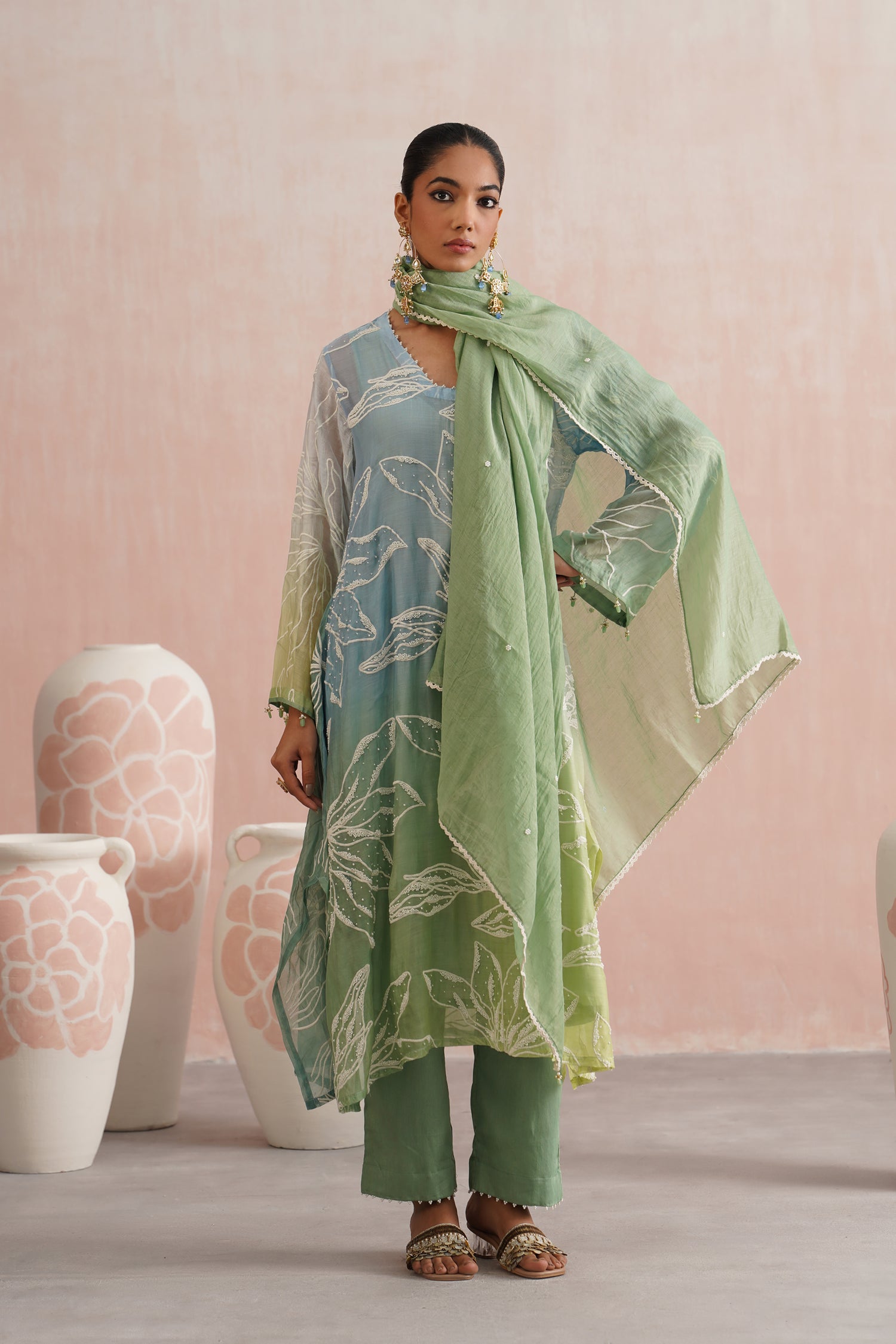
A hand-embroidered piece from Ugna by Unnati represents hours of artisan skill, pure handwoven fabrics, and thoughtful design. Whether it's the intricate work on a Kudmayi Collection’s kurta sets or the delicate embroidery on a Roz Meher dress, each garment deserves care that honours the craft behind it. The good news is that preserving these pieces doesn't require complicated routines. It just needs a gentle approach, a bit of patience, and mindfulness about how you handle fabrics like tissue silk, Chanderi, and semi-crepe.
Here's a practical guide to caring for your Ugna garments so they stay beautiful for years, becoming wardrobe staples that age gracefully rather than wearing out too soon.
Washing wisely: Dry cleaning is your safest option

Machine washing is the fastest way to damage hand-embroidered garments. The constant agitation, spinning, and tumbling weaken delicate threads, cause snagging on embroidery motifs, and fade colours, especially on pure fabrics like silk and tissue that form the foundation of all our collections. For heavily embroidered pieces made of silk, tissue, or Chanderi, professional dry cleaning is the most reliable and safest option. When you take your garment to the cleaner, mention that it's hand-embroidered and point out areas with particularly dense work or delicate fabric. This helps them adjust their process to handle the piece with extra care.
If your garment has lighter embroidery on sturdier fabrics like cotton or linen, such as some of the coord sets or kaftans, a gentle hand wash at home may be possible. However, this should only be done if you're confident about handling delicate garments and the embroidery is minimal.
For pieces with lighter surface work or more durable constructions, it is best to limit cleaning frequency rather than attempting frequent washes. Often, airing the garment after wear and spot-cleaning only where necessary can help maintain its condition without putting the entire piece through stress. This approach preserves both the embroidery and the integrity of the fabric over time.
Between wears: Maintaining freshness without overwashing

Shop now Rubani Set
Not every garment needs a full cleaning after a single wear. In fact, reducing how often a piece is cleaned can significantly extend its life. After wearing, allow the garment to breathe by hanging it in a shaded, well-ventilated space. This helps release any moisture or odours without exposing the fabric to unnecessary handling.
If there are minor marks or areas that need attention, use a soft cloth to gently dab the spot rather than treating the entire garment. Avoid using harsh stain removers, as they can affect both colour and embroidery threads. Thoughtful, minimal intervention often works better than frequent cleaning when it comes to preserving delicate pieces.
Ironing and steaming: Heat with caution

Shop now Shahi Gold Tissue Silk Saree
Embroidery and heat must be handled carefully. Direct, high heat from an iron can flatten the texture of hand embroidery, dull metallic threads, or even scorch delicate fabrics like silk and tissue.
Always turn the garment inside out and iron on the reverse side. Place a pressing cloth or a thin piece of cotton fabric between the iron and the garment to create a protective barrier. Keep the heat setting at low to medium, adjusting based on the base fabric. Silk, Chanderi, and tissue require lower heat than cotton or linen.
Steaming is often a safer alternative, especially for fabrics with a natural crinkle or crushed texture. Hold the steamer a short distance away from the garment and move it continuously so no single area is overexposed to moisture or heat. Avoid steaming directly over dense embroidery clusters, as concentrated steam can cause threads to loosen or lose their shape.
Storage: Space and breathability matter

Shop now Sophia Set
How you store your hand-embroidered garments can either preserve them or slowly damage the detailing. Keep garments in breathable cotton garment bags rather than plastic covers, which trap moisture and can cause yellowing over time.
Avoid overcrowding your wardrobe. When garments are pressed tightly together, embroidery gets crushed, colours can transfer, and fabric loses its structure. Give each piece enough space to breathe.
For garments with very heavy embroidery or delicate fabrics like tissue sarees and embroidered panels, consider storing them flat in a box rather than hanging. Use soft tissue paper or muslin to support folds and place layers between embroidered surfaces so they don't press directly against each other.
Wear mindfully and repair early

Shop now Sophia Set
Finally, caring for your Ugna garments also means being thoughtful about how and where you wear them. While these pieces are designed to be worn and enjoyed, not locked away, it helps to avoid very crowded or rough environments where snagging and staining are more likely.
When you sit, be conscious of where the embroidery is placed so it doesn't constantly rub against rough surfaces. Small precautions like this go a long way in preserving the garment's beauty.
If a thread comes loose or a small motif starts to fray, handle it early. Snip only loose threads that are clearly ends and never pull them. For minor repairs, consult a trusted local tailor or reach out to Ugna for guidance on after-care. Avoid wearing jewellery or carrying bags that repeatedly snag on the same embroidered area.
With gentle dry cleaning for silk and tissue pieces, careful cold hand washes for lighter fabrics, shade drying, protective storage, and mindful wearing, your Ugna by Unnati garment will stay vibrant and true to its handcrafted roots. Season after season, these pieces reward the care you give them by remaining part of your wardrobe stories, ageing beautifully rather than fading away.